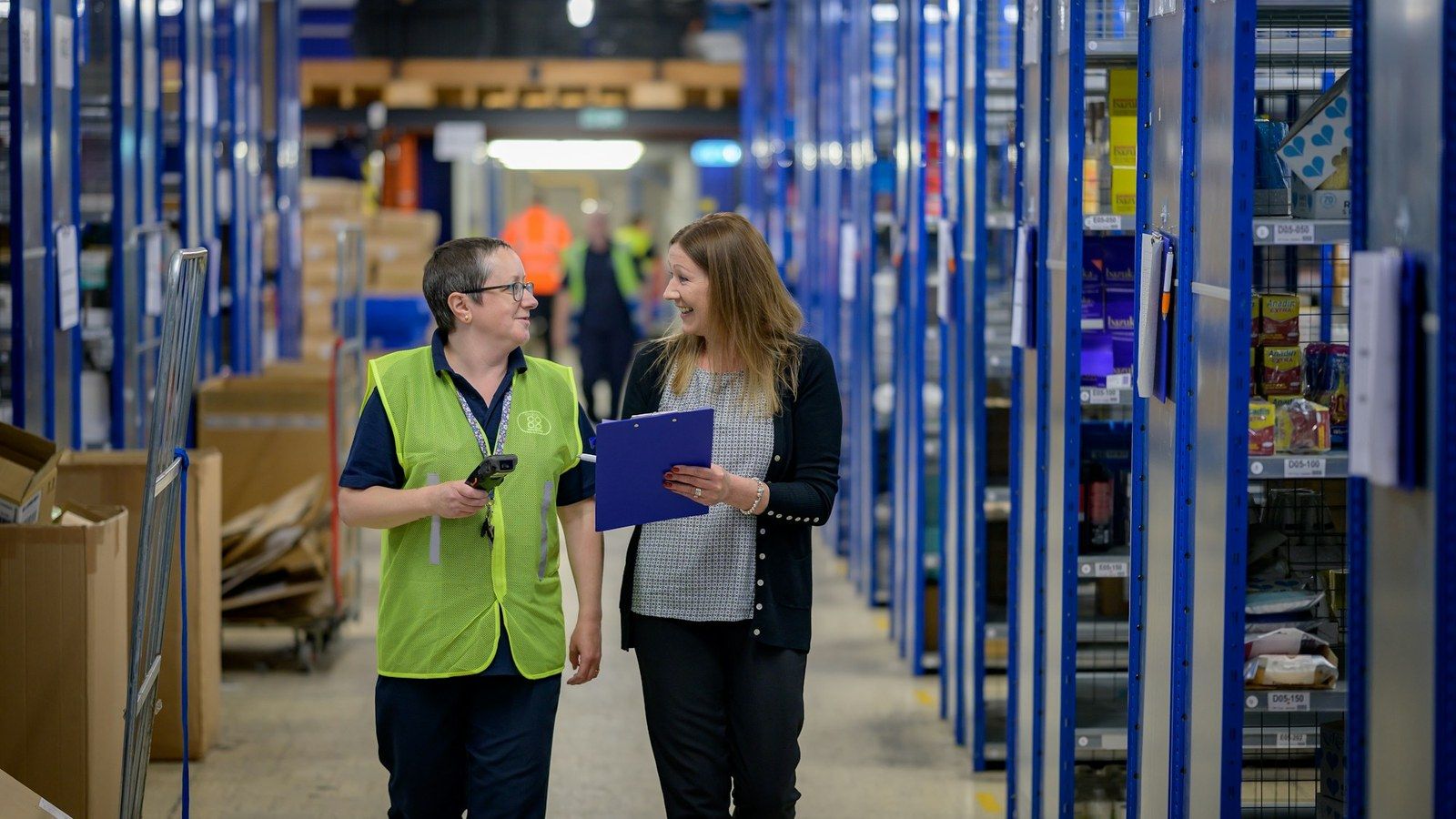
Opening a store without buying a single box: that is the promise of dropshipping. You sell, your supplier ships directly to the customer, you never touch the goods. The promise is real. What people tell you around it is much less so.
What dropshipping concretely changes
The classic model requires you to put money up front: you buy a hundred units, you hope to sell them. If the product does not take off, you are left with dead stock and tied-up cash. With dropshipping, you only buy after you have been paid. The initial financial risk almost entirely disappears.
What you gain in reduced risk, you lose in control. You have no say over the shipping time, the packaging, or what happens when a parcel goes missing. The customer, for their part, will hold you responsible for all three.
What it really costs
The myth of the "zero-euro launch" does not survive the first month. Budget for:
The store: hosting, domain name, certificate.
Supplier access: serious platforms charge a fee, often 20 to 100 euros per month.
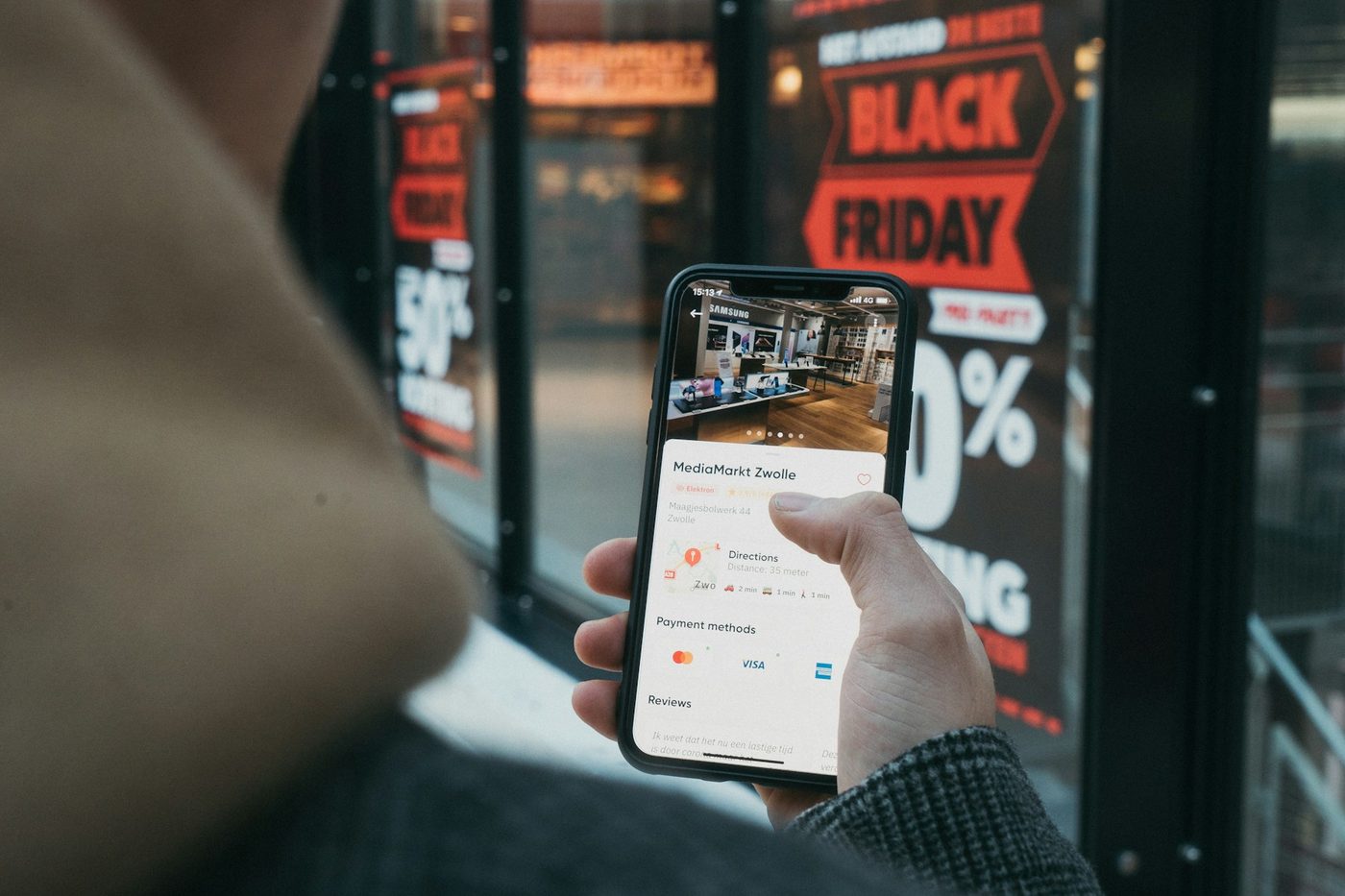
Advertising: the heaviest expense. Without traffic, a dropshipping store sells nothing, and organic traffic takes months to build.
Returns and disputes: to be provisioned from the start, not when they arrive.
A 30% margin that looks comfortable shrinks fast when advertising absorbs 20 of it.
The three mistakes that keep coming up
Choosing the cheapest supplier. A product at 3 euros delivered in five weeks from the other side of the world will cost you more in refunds and negative reviews than it earns you.
Selling what everyone else sells. If the product appears in ten ads a day, the price competition is already lost. Look for a niche where you have something to say.
Ignoring delivery time. This is the leading cause of cancellations. A European customer who waits three weeks does not come back, regardless of product quality.
Where to start
Choose a niche you understand first, then a supplier capable of delivering quickly to the country where you sell, and only then the products. The reverse order, which means finding a "winning" product and then looking for a supplier, is the fastest path to an abandoned store after three months.
The rest is ordinary retail work: honest product pages, decent photos, a customer service that responds. Dropshipping removes the stock, not the trade.